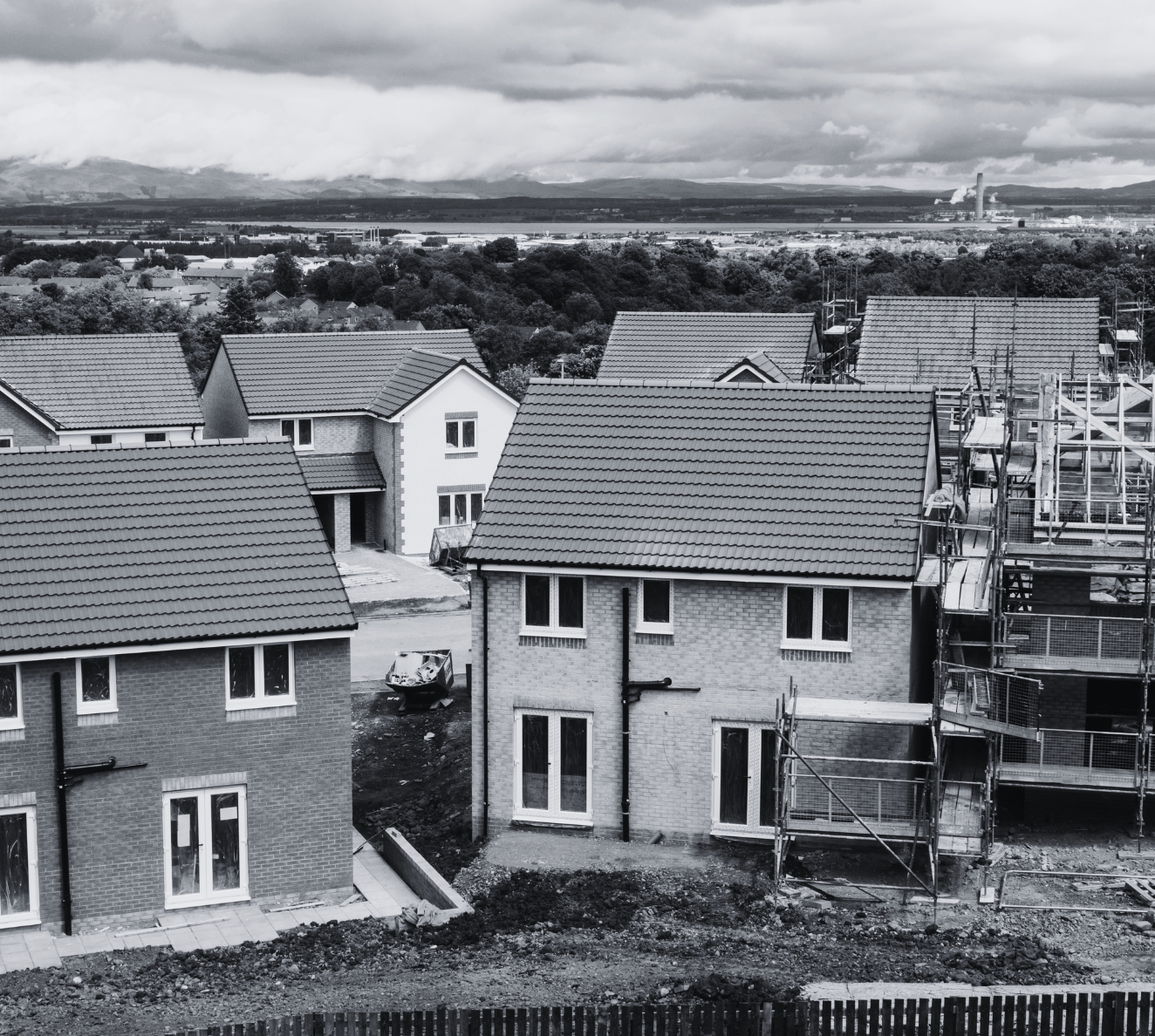
Is Now a Good Time to Invest in UK Property Development?

The UK property market has experienced significant change over the past few years. Rising interest rates, inflation, increasing construction costs and evolving planning policy have all created challenges for developers. At the same time, demand for new homes continues to outstrip supply across much of the country.
This has naturally led many developers, investors and landowners to ask the same question:
Is now actually a good time to invest in UK property development?
The answer is not as straightforward as a simple yes or no. Every project should be assessed on its own merits, but many experienced developers believe that periods of uncertainty often create some of the best opportunities.
In this guide, we explore the current property development landscape, the opportunities available to developers and the factors that should be considered before committing to your next project.
The housing shortage remains
Despite fluctuations in the property market, one challenge has remained remarkably consistent: the UK still needs more homes.
Population growth, changing household structures and limited housing supply continue to place pressure on the residential market.
Successive governments have announced ambitious housing targets, yet the number of new homes being delivered continues to fall short of demand in many parts of the country.
For developers, this underlying imbalance continues to create long-term opportunities.
Well-designed residential schemes in strong locations are likely to remain in demand for years to come.
Interest rates have changed the landscape
Higher interest rates have undoubtedly affected the property market.
Borrowing costs have increased for:
Developers.
Homebuyers.
Buy-to-let investors.
Commercial investors.
This has influenced:
Land values.
Development appraisals.
Sales rates.
Investment decisions.
However, experienced developers rarely assess projects solely on current interest rates.
Instead, they focus on whether a scheme remains profitable after allowing for realistic finance costs.
A well-structured development should remain commercially viable even if borrowing costs fluctuate during the build period.
Competition has reduced in some areas
During periods of lower market confidence, some developers choose to pause acquisitions.
While this can reduce transaction volumes, it may also create opportunities.
Reduced competition can sometimes mean:
Better purchase prices.
Greater negotiating power.
More motivated vendors.
Improved access to development sites.
Developers with funding already in place are often well positioned to take advantage of these market conditions.
Planning opportunities continue to emerge
Planning remains one of the biggest drivers of value within property development.
Opportunities continue to exist through:
Brownfield regeneration.
Commercial to residential conversions.
Permitted development rights.
Infill sites.
Small residential developments.
Mixed-use schemes.
Developers who understand local planning policy and identify underutilised sites can often unlock significant value.
Planning expertise remains just as important as construction expertise.
Construction costs require careful management
While material inflation has eased compared with previous years, build costs remain significantly higher than they were several years ago.
Developers should carefully consider:
Labour availability.
Material pricing.
Contractor capacity.
Procurement strategy.
Contingency allowances.
Accurate cost planning is more important than ever.
Many lenders will require an independent Quantity Surveyor to review construction budgets before approving development finance.
Local knowledge matters
The UK property market is not one single market.
Conditions can vary considerably between different regions and even neighbouring towns.
Factors to consider include:
Employment growth.
Transport links.
School catchment areas.
Population trends.
Housing demand.
Comparable sales.
Developers who understand their local markets often identify opportunities that others overlook.
Buying simply because prices appear lower rarely produces the best results.
Demand for quality homes remains strong
While buyers may have become more price sensitive, demand for well-designed homes in desirable locations continues.
Developers should think carefully about:
Unit mix.
Target buyers.
Energy efficiency.
Parking.
Outdoor space.
Local amenities.
Developments that meet genuine market demand tend to perform more consistently across different economic cycles.
Smaller developments remain attractive
Not every successful development involves hundreds of homes.
Many experienced developers continue to focus on:
Single plots.
Small housing schemes.
Luxury homes.
Barn conversions.
Commercial conversions.
Refurbishment projects.
Smaller schemes often benefit from:
Simpler funding.
Faster build programmes.
Lower overall risk.
Greater flexibility.
These projects can provide excellent opportunities for developers seeking to grow steadily.
Due diligence is more important than ever
As market conditions evolve, careful due diligence becomes increasingly valuable.
Before acquiring any development site, developers should understand:
Planning status.
Site access.
Title restrictions.
Existing services.
Flood risk.
Ground conditions.
Build costs.
Comparable evidence.
Exit strategy.
Well-informed decisions reduce risk and improve long-term profitability.
The importance of realistic appraisals
One of the biggest mistakes developers make is relying on optimistic assumptions.
Successful appraisals should include realistic allowances for:
Finance costs.
Construction inflation.
Professional fees.
Sales costs.
Contingency.
Programme delays.
Stress testing a development against different market scenarios helps identify potential weaknesses before construction begins.
Cash flow remains critical
Many profitable developments have encountered difficulties simply because of poor cash flow management.
Developers should ensure they have sufficient liquidity to manage:
Unexpected costs.
Delayed sales.
Construction variations.
Planning amendments.
Professional fees.
Maintaining financial flexibility often allows developers to respond quickly when opportunities arise.
Every cycle creates opportunities
Property development has always been cyclical.
Periods of rapid growth are often followed by slower markets.
The most successful developers rarely attempt to predict the perfect moment.
Instead, they focus on acquiring the right sites at the right price.
Well-structured developments with realistic assumptions tend to perform successfully regardless of short-term market fluctuations.
The importance of choosing the right funding partner
Development finance plays a major role in every successful project.
Developers should consider more than simply the headline interest rate.
Important factors include:
Commercial understanding.
Speed of decision making.
Flexibility.
Drawdown process.
Communication.
Experience.
Certainty of funding.
The right lender can help keep a project moving when unexpected challenges arise.
Common misconceptions
“Property development is too risky in the current market.”
Every development carries risk.
The key is understanding those risks and managing them appropriately.
“Interest rates alone determine whether a project is viable.”
Finance costs are important, but they represent only one element of a successful appraisal.
“Only large developers can succeed.”
Many successful developers specialise in smaller, carefully selected schemes.
“Waiting for perfect market conditions is the safest option.”
Perfect market conditions rarely exist.
Many successful developments are acquired during periods when others are reluctant to invest.
Signs of a strong development opportunity
Experienced developers often look for projects that combine several positive characteristics, including:
Strong local demand.
Realistic build costs.
Planning certainty.
Attractive purchase price.
Sensible contingency.
Clear exit strategy.
Appropriate funding structure.
Projects that satisfy these criteria are often well positioned to succeed regardless of wider market conditions.
How Onyx supports property developers
At Onyx, we understand that every development opportunity is unique.
Rather than making decisions based solely on market headlines, we assess each proposal on its own commercial merits.
Our experienced team works closely with developers, brokers and professional advisers to understand the wider picture behind every project.
Whether you’re purchasing a site with planning permission, undertaking a commercial conversion, developing new homes or refinancing an existing scheme, we provide flexible development finance and bridging finance solutions designed to support projects from acquisition through to completion.
We appreciate that market conditions continue to evolve, which is why we take a pragmatic approach to underwriting and remain focused on helping experienced developers deliver successful projects.
Final thoughts
So, is now a good time to invest in UK property development?
For well-prepared developers with realistic appraisals, strong professional teams and carefully selected sites, the answer may well be yes.
While higher borrowing costs and changing market conditions require careful planning, the long-term fundamentals of the UK housing market remain compelling. Demand continues to exceed supply in many areas, planning opportunities still exist and developers who approach projects with discipline and realistic expectations continue to identify profitable opportunities.
Every development should be assessed on its own merits, but periods of uncertainty often reward those who are well prepared.
If you’re considering your next property development and would like to discuss funding with a specialist lender, the team at Onyx is always happy to help. Whether you’re acquiring your first development site or expanding an established portfolio, we can work with you to structure a development finance solution that supports your ambitions and helps bring your next project to life.
More from our blog: