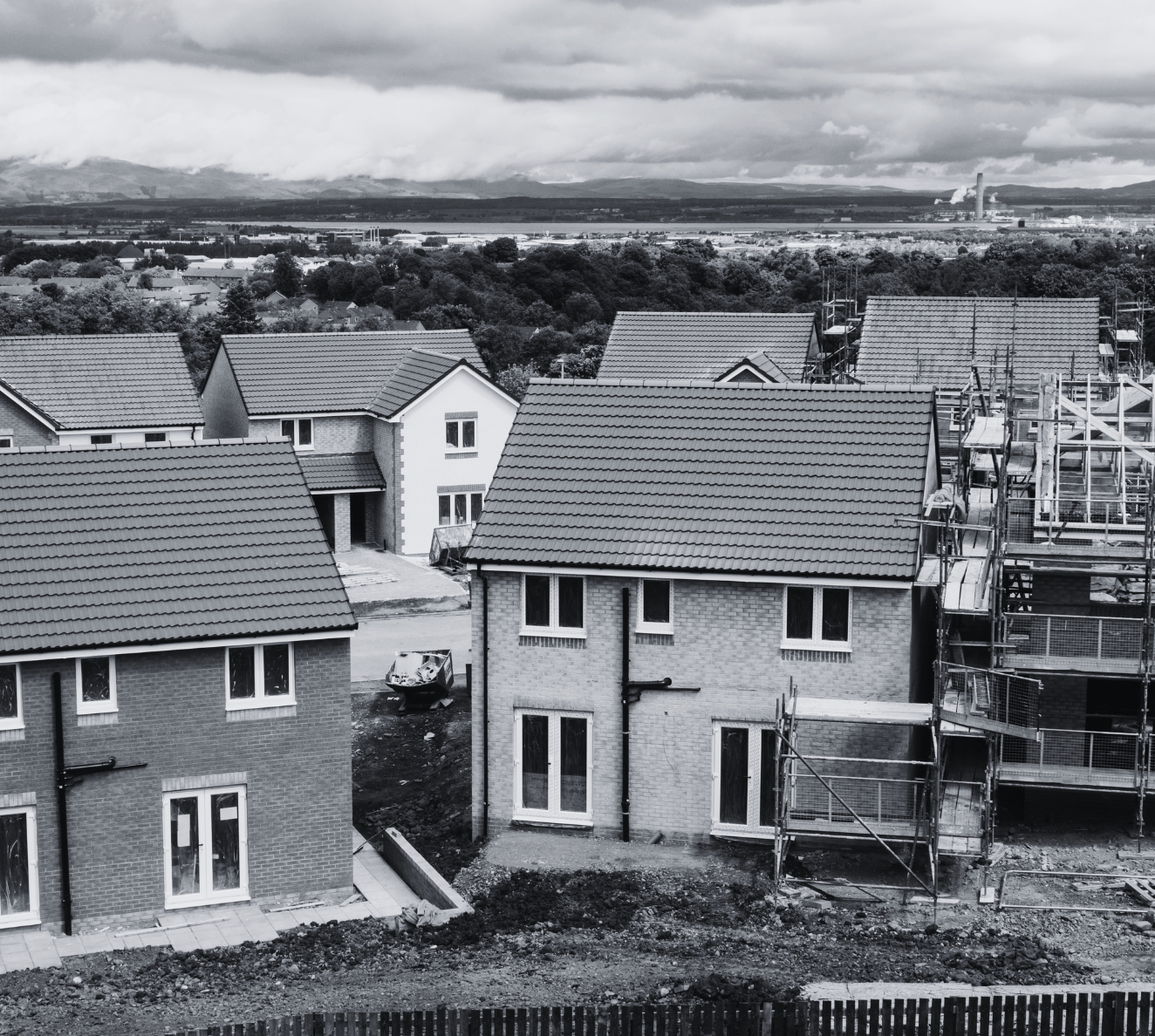
From Planning Consent to Practical Completion.
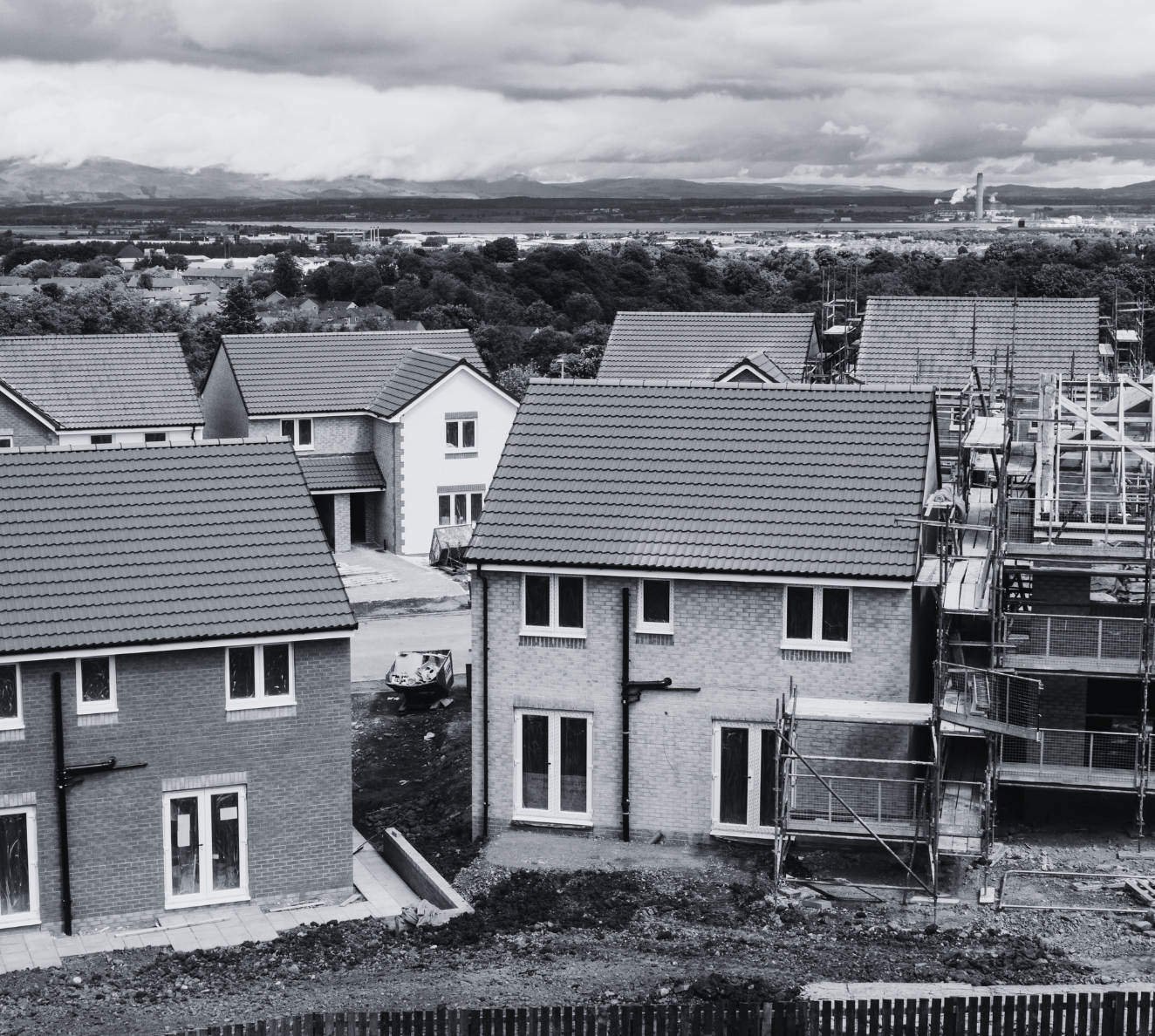
One of the most common questions property developers ask when embarking on a new project is, “How long will it take?”
The honest answer is that every development is different. The size of the scheme, planning requirements, site conditions and funding arrangements can all influence the overall programme.
However, while every project has its own challenges, most successful property developments follow a broadly similar journey. Understanding each stage of the process allows developers to plan more effectively, anticipate potential delays and ensure the right funding is in place at the right time.
In this guide, we walk through the typical development timeline, from planning consent through to practical completion and final exit, highlighting where experienced property developers can reduce risk and improve efficiency.
Stage 1: Identifying the opportunity
Every successful development begins with finding the right site.
This may involve:
Residential land.
Brownfield sites.
Commercial buildings.
Mixed-use properties.
Existing residential properties suitable for redevelopment.
Sites with planning potential.
Before making an offer, developers should undertake thorough due diligence, considering:
Planning history.
Existing use.
Site access.
Utilities.
Environmental constraints.
Comparable evidence.
Local market demand.
The strongest developments are often secured before competition increases, making preparation essential.
Stage 2: Securing planning permission
For many projects, obtaining planning permission is one of the most important milestones.
Depending on the nature of the development, this may involve:
Full planning permission.
Outline planning permission.
Reserved matters approval.
Prior approval under permitted development rights.
Amendments to existing permissions.
Planning consultants, architects and other professional advisers play an important role during this stage.
Developers should also consider:
Community Infrastructure Levy (CIL).
Section 106 obligations.
Planning conditions.
Ecology surveys.
Flood risk.
Highways requirements.
A well-managed planning process often lays the foundation for a successful development.
Stage 3: Preparing the development appraisal
Once planning has been secured, developers should prepare a detailed development appraisal.
This becomes one of the key documents used when seeking development finance.
A typical appraisal includes:
Purchase price.
Gross Development Value (GDV).
Build costs.
Professional fees.
Finance costs.
Sales costs.
Contingency.
Developer profit.
The appraisal should be realistic and supported by comparable evidence wherever possible.
An overly optimistic appraisal is unlikely to withstand detailed underwriting.
Stage 4: Arranging development finance
With planning and the appraisal in place, developers can begin approaching lenders.
The funding process typically involves:
Initial discussions.
Indicative terms.
Submission of supporting information.
Credit assessment.
Valuation.
Quantity Surveyor review.
Legal due diligence.
Formal offer.
Completion.
Preparing information thoroughly at the outset often leads to quicker decisions.
Common documents requested include:
Planning permission.
Development appraisal.
Build cost schedule.
Developer CV.
Asset and liability statement.
Professional team details.
Exit strategy.
The quality of the submission can have a significant impact on underwriting timescales.
Stage 5: Legal completion
Once all conditions have been satisfied, legal completion takes place.
This typically includes:
Signing facility documentation.
Registering legal charges.
Completing security documentation.
Satisfying lender conditions.
Drawing the initial advance.
Depending on the project, the initial drawdown may fund:
Site acquisition.
Refinancing.
Professional fees.
Initial construction costs.
Having experienced solicitors involved can help minimise unnecessary delays during this stage.
Stage 6: Mobilising the site
Following completion, attention turns to preparing the site for construction.
This may involve:
Site clearance.
Demolition.
Ground investigations.
Utility connections.
Site setup.
Temporary works.
Contractor mobilisation.
Although this period can appear relatively straightforward, it often establishes the pace for the remainder of the project.
Early delays can quickly affect the overall programme.
Stage 7: Construction begins
Construction is where months of preparation begin to take shape.
Typical stages include:
Groundworks.
Foundations.
Structural frame.
Roofing.
External envelope.
First fix.
Second fix.
Internal finishes.
External landscaping.
Throughout construction, developers must continually manage:
Programme.
Costs.
Contractors.
Quality.
Health and safety.
Procurement.
Good project management becomes essential.
Stage 8: Development finance drawdowns
Unlike standard mortgages, development finance is usually released in stages.
As construction progresses, developers submit drawdown requests supported by:
Quantity Surveyor inspections.
Progress reports.
Cost updates.
Construction evidence.
Funds are generally released after work has been completed, helping lenders monitor progress while ensuring construction continues as planned.
Maintaining good communication with both the lender and Quantity Surveyor helps keep drawdowns running smoothly.
Stage 9: Managing unexpected challenges
Very few developments proceed exactly as originally planned.
Common issues include:
Material shortages.
Labour availability.
Adverse weather.
Design amendments.
Ground conditions.
Utility delays.
Planning variations.
Experienced developers expect challenges and build both time and financial contingency into their programmes.
Flexibility often proves just as valuable as careful planning.
Stage 10: Practical completion
As construction concludes, attention turns towards practical completion.
This generally involves:
Final inspections.
Building Control sign-off.
Completion certificates.
Snagging.
Professional certifications.
Utility commissioning.
Only once these matters have been addressed can developers move confidently towards their chosen exit.
Stage 11: Sales or refinancing
With the development complete, developers typically pursue one of two exit strategies.
Selling the completed units
This allows developers to:
Repay development finance.
Recover invested capital.
Realise development profit.
Reinvest into future projects.
Refinancing the completed development
Some developers prefer to retain completed properties as long-term investments.
Refinancing can:
Repay the development finance.
Release equity.
Generate rental income.
Support future acquisitions.
The appropriate exit depends on the developer’s wider business objectives.
Stage 12: Recycling capital into the next project
Many professional developers are already identifying their next opportunity before the current project has finished.
Capital recovered through:
Sales.
Refinancing.
Released equity.
can then be reinvested into future developments.
This continuous recycling of capital allows experienced developers to build larger portfolios and grow their businesses over time.
Common causes of delay
Understanding where projects commonly slow down can help developers plan more effectively.
Typical causes include:
Planning delays.
Legal issues.
Utility connections.
Contractor availability.
Material shortages.
Cost increases.
Slow drawdowns.
Sales delays.
While not every issue can be avoided, realistic programming and strong communication can significantly reduce their impact.
The importance of working with experienced professionals
Property development is rarely delivered by one person.
Successful projects rely on experienced professionals working together.
These often include:
Architects.
Planning consultants.
Quantity Surveyors.
Structural engineers.
Solicitors.
Contractors.
Estate agents.
Finance providers.
Choosing experienced advisers at an early stage often saves considerable time later in the development process.
Why planning ahead makes all the difference
The most successful developments are usually the best planned.
Developers who understand the full journey from planning consent through to practical completion are often better equipped to:
Forecast costs accurately.
Manage cash flow.
Reduce delays.
Maintain profitability.
Deliver projects successfully.
Every stage influences the next.
Strong preparation during the early phases frequently results in smoother delivery throughout construction.
How Onyx supports property developers
At Onyx, we understand that property development is a journey rather than a single transaction.
Our experienced team works alongside developers from acquisition through to completion, providing flexible development finance solutions that support projects at every stage of the development timeline.
Whether you’re acquiring a site with planning permission, commencing construction, undertaking a commercial conversion or delivering a ground-up residential scheme, we take a pragmatic approach to structuring funding around the specific requirements of each project.
We appreciate that programmes evolve, challenges arise and every development is unique. Our aim is to provide the certainty, flexibility and commercial understanding that experienced developers need to keep projects moving forward.
Final thoughts
Every successful property development follows a series of important milestones.
From securing planning permission and arranging development finance through to construction, practical completion and final exit, each stage plays a vital role in determining the overall success of the project.
Developers who understand the full timeline, prepare thoroughly and work with experienced advisers are often best placed to deliver projects on time and within budget.
If you’re planning your next property development and would like to discuss funding from an experienced specialist lender, the team at Onyx would be delighted to help. Whether you’re taking on your first development or managing multiple schemes simultaneously, we can work with you to structure a development finance solution that supports your project from planning consent through to practical completion.
More from our blog: