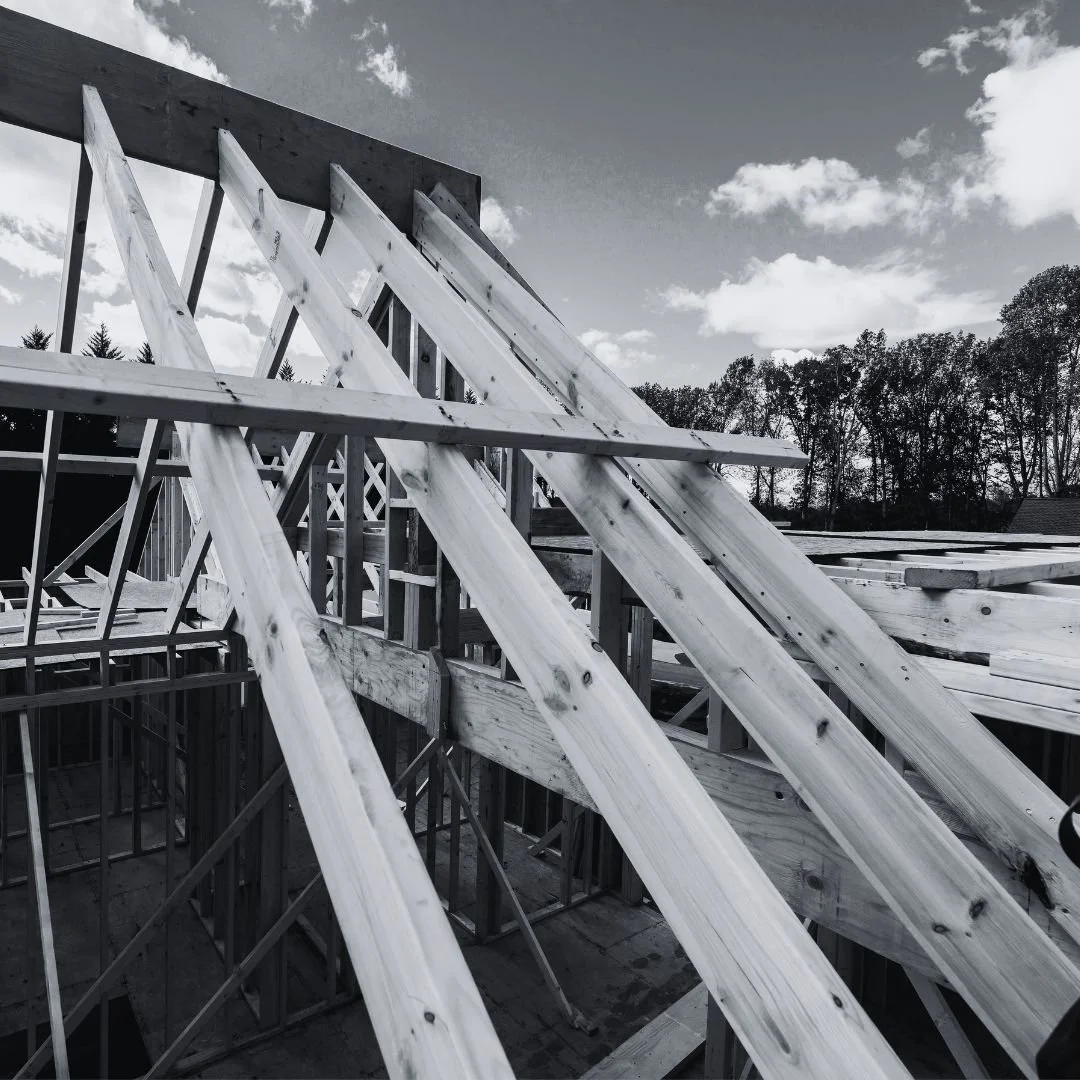
How to Finance an HMO Project.

Houses in Multiple Occupation, or HMOs, continue to be one of the most popular strategies for property investors and developers in the UK.
With strong rental yields and increasing demand for shared accommodation, HMOs offer an attractive opportunity, but they also require a clear and well-structured funding approach.
In this guide, we break down how to finance an HMO project, from acquisition through to refinance or sale.
What is an HMO Project?
An HMO typically involves converting or operating a residential property that is let to multiple tenants, generating higher rental income than a standard single let.
Projects can range from light refurbishments to full structural reconfigurations and larger multi-unit conversions.
Stage 1: Acquiring the Property
Many HMO projects start with below market value purchases, auction acquisitions, or properties requiring refurbishment.
A typical funding option is Bridging Finance.
Bridging finance is most commonly used for fast purchases, auction deadlines, and properties not suitable for a standard mortgage. These loans typically cover up to 70% to 75% of the purchase price and run for 3 to 12 months.
Stage 2: Funding the Refurbishment
Once acquired, the property is converted into an HMO.
A typical funding option is a Bridge and Refurb Facility
This combines the purchase and refurbishment funding into one facility, with drawdowns released in stages as works progress.
However Development Finance is often utilised for heavier schemes involving structural works, extensions or full reconfiguration, meaning it is the more appropriate funding route to use.
Stage 3: Refinancing the Completed HMO
Once works are complete, developers typically refinance onto a term mortgage or sell the property.
On refinance, lenders will assess rental income, valuation, often on a yield basis, and licensing compliance. A well executed HMO can increase value significantly and allow developers to recycle capital into future projects.
Can You Finance 100% of an HMO Project?
In certain cases, yes.
This may involve additional property security, a strong deal structure, and an experienced borrower. That can allow a developer to fund the purchase fully and cover refurbishment costs.
Key Considerations for HMO Funding
1. Licensing Requirements
Depending on size and location, HMOs may require mandatory licences and, in some cases, planning consent.
2. Build Costs
Accurate budgeting is critical, particularly where fire safety works, layout changes and compliance upgrades are required.
3. End Value
HMO valuations are often based on rental yield and influenced by location, tenant demand and operational quality.
4. Exit Strategy
Developers should consider refinance viability, rental demand and wider market conditions from the outset.
Common Mistakes to Avoid
· Underestimating refurbishment costs
· Overestimating rental income
· Not understanding licensing requirements
· Choosing the wrong funding structure
How Onyx Supports HMO Projects
At Onyx, we work with developers across a range of HMO projects, providing bridging finance for acquisition, refurbishment and development funding, and flexible structures tailored to each deal.
We also support cases where additional security is available and the borrower is looking to fund a up to 100% of project costs.
Final Thoughts
HMO projects can offer strong returns, but success depends on careful planning, accurate budgeting and the right funding strategy.
Understanding how to structure finance across each stage of the project is key to maximising profitability and minimising risk.
Looking to Finance an HMO Project?
At Onyx, we provide flexible funding solutions for property developers and investors across the UK.
If you are planning an HMO project and want to explore your funding options, feel free to get in touch.
https://www.onyxmoney.co.uk/bridging-loans
More from our blog: